
First Adulthood
Approximately ages 15–25
Explore Identity
Separate from inherited expectations, experiment with work and relationships, and begin discovering who you are, what you value, and where you belong.
The Mountain: A Map of Growth
The Wilder Method turns growth into a landscape you can see: the familiar life you know, the life you desire, and the fears and inner forces that determine whether you move.
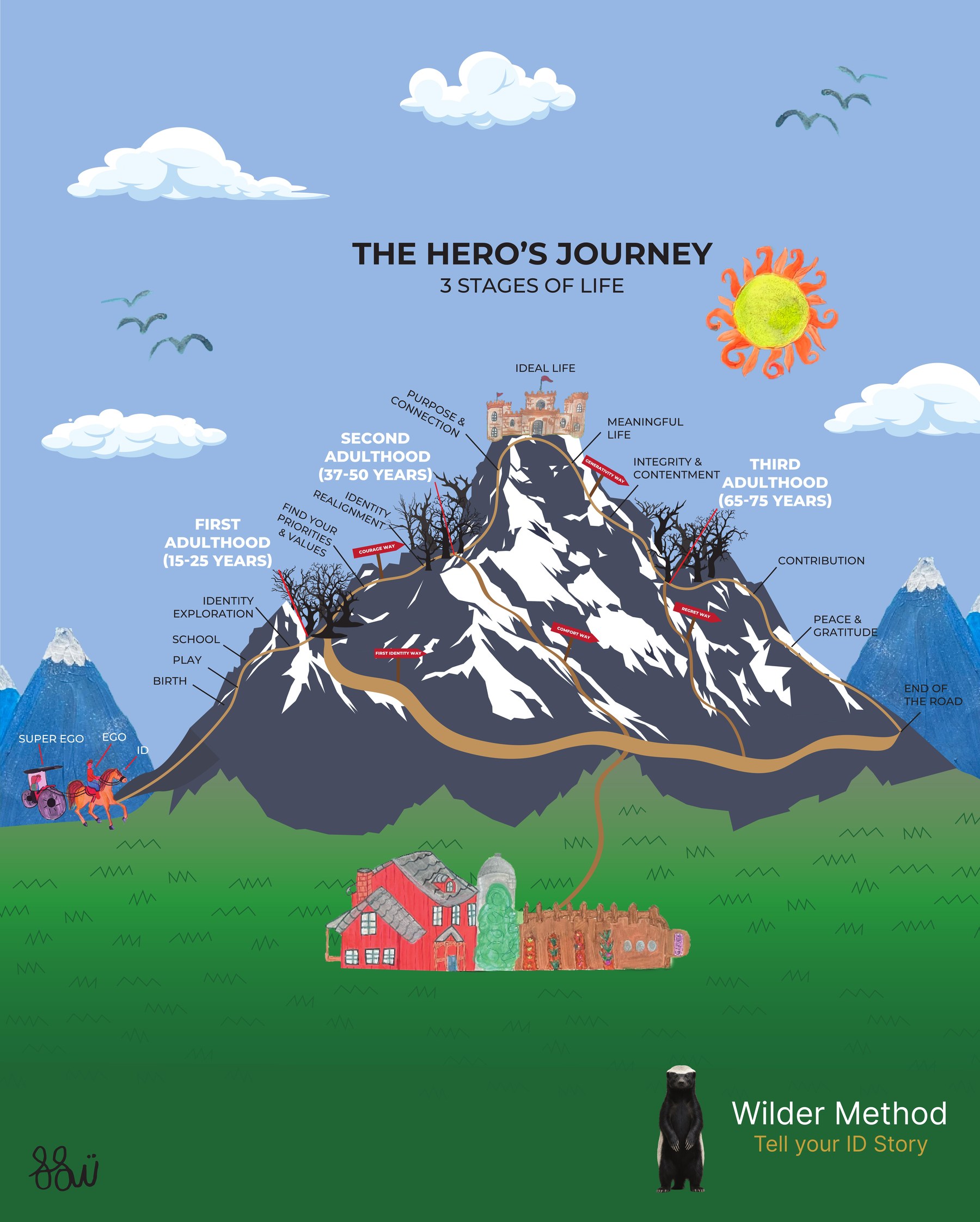
The Complete Map
The mountain represents the journey of human growth. The barn is the familiar life. The castle is the life you desire. The forest represents the threshold you must enter in order to move from one to the other.
Growth begins when you can honestly identify where you are, where you want to go, and what you must face to get there.
Three Stages of Life
Life does not move in a straight line. We move through three major stages of adulthood. Each stage asks us to form a new identity, release strategies that no longer work, and develop the strength required for what comes next.
Approximately ages 15–25
Explore Identity
Separate from inherited expectations, experiment with work and relationships, and begin discovering who you are, what you value, and where you belong.
Approximately ages 37–50
Realign Your Life
Reconsider roles, relationships, and strategies that no longer fit. Reconnect your daily life with meaning, purpose, and the person you are becoming.
Approximately ages 65–75
Integrate and Contribute
Gather the meaning of your experience, decide what you want to pass forward, and move toward contribution, integrity, gratitude, and peace.
A Wilder Method Specialty
The Wilder Method helps people identify which stage of life they are living in, understand what is changing, and develop the instinctual strength required to enter the next stage.
The ages are guideposts, not rigid rules. The deeper question is:
What is life asking of you now?
Three Places on the Journey
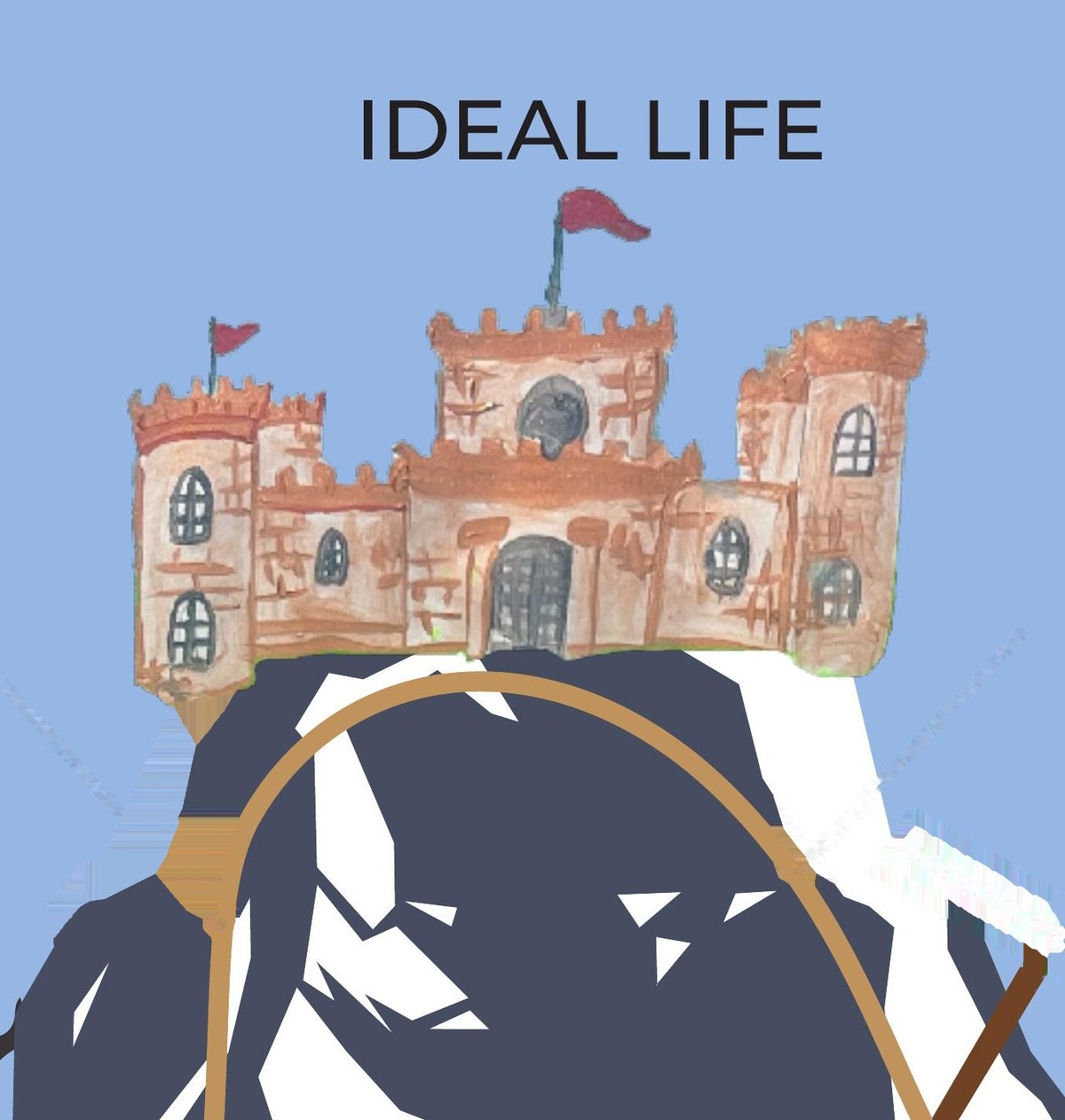
The Desired Life
Where do you want to go?
The castle represents the life you are trying to build: the goals, relationships, purpose, freedom, and sense of meaning that call you forward.
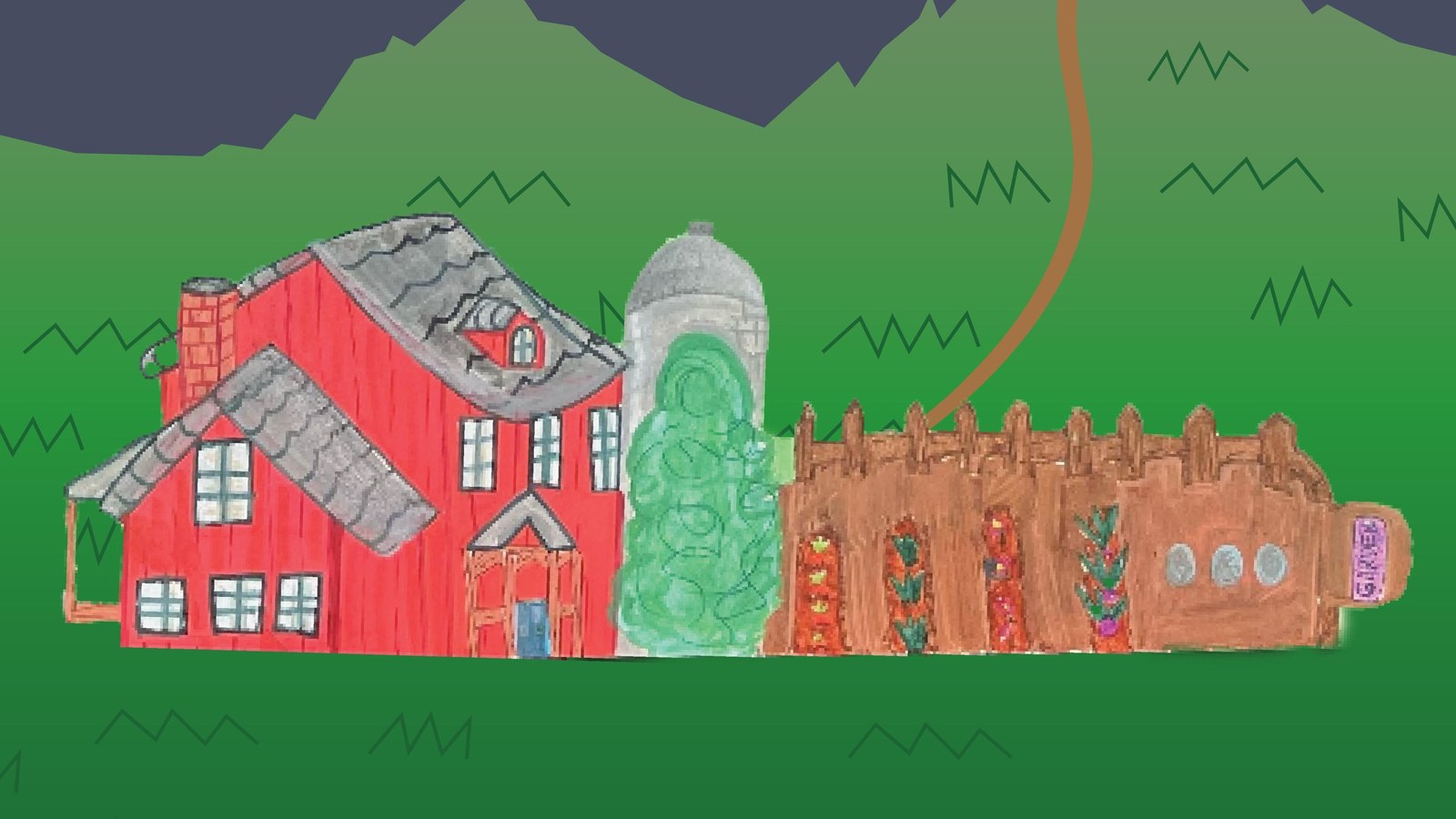
The Familiar Life
Where have you become stagnant?
The barn represents what you already know. It may feel comfortable, predictable, or protective, but it can also become the place where fear, routine, and old roles keep you from moving.
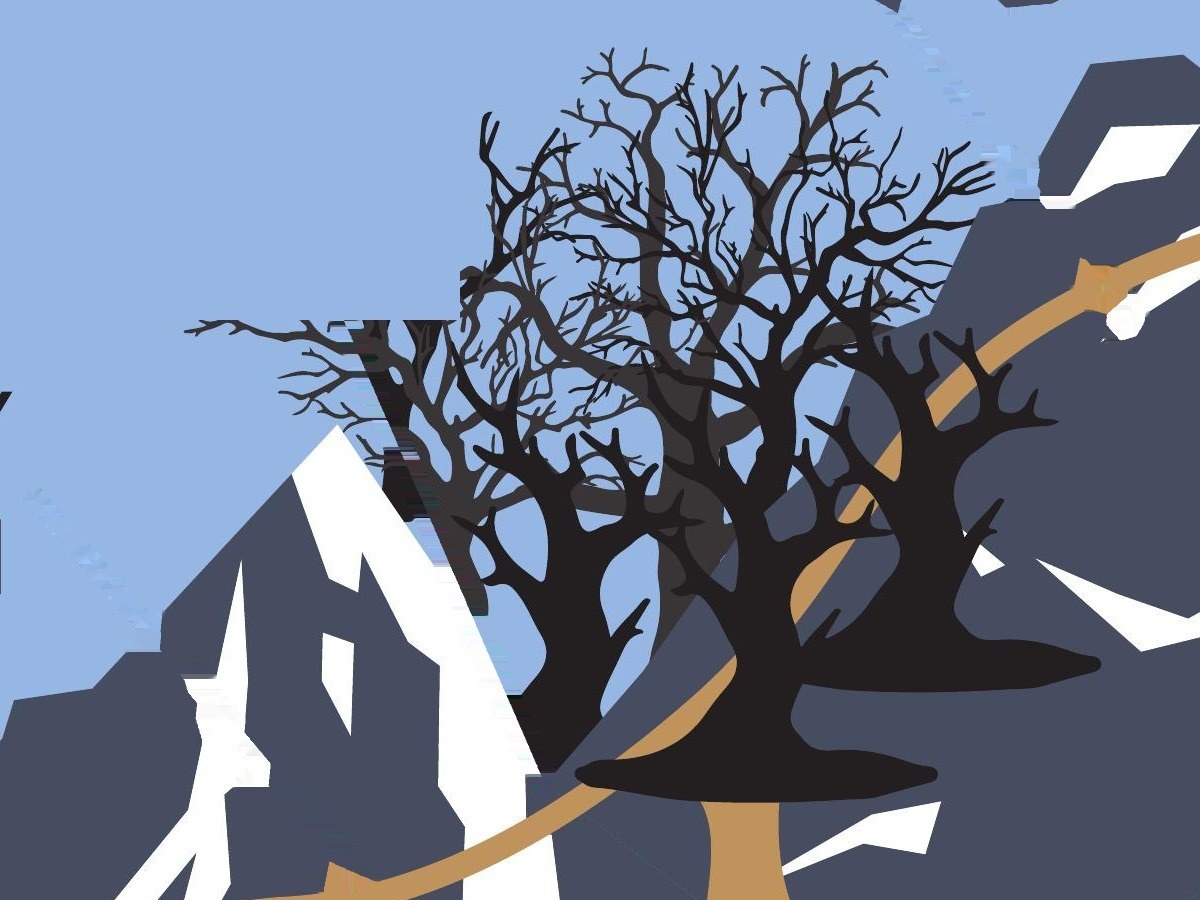
The Threshold
What must you face to grow?
The forest represents the threshold between the familiar life and the desired life. It contains the uncertainty, conflict, risk, grief, truth, or change that you may want to avoid.
The forest is not a detour. It is where courage is trained.
The Inner Team
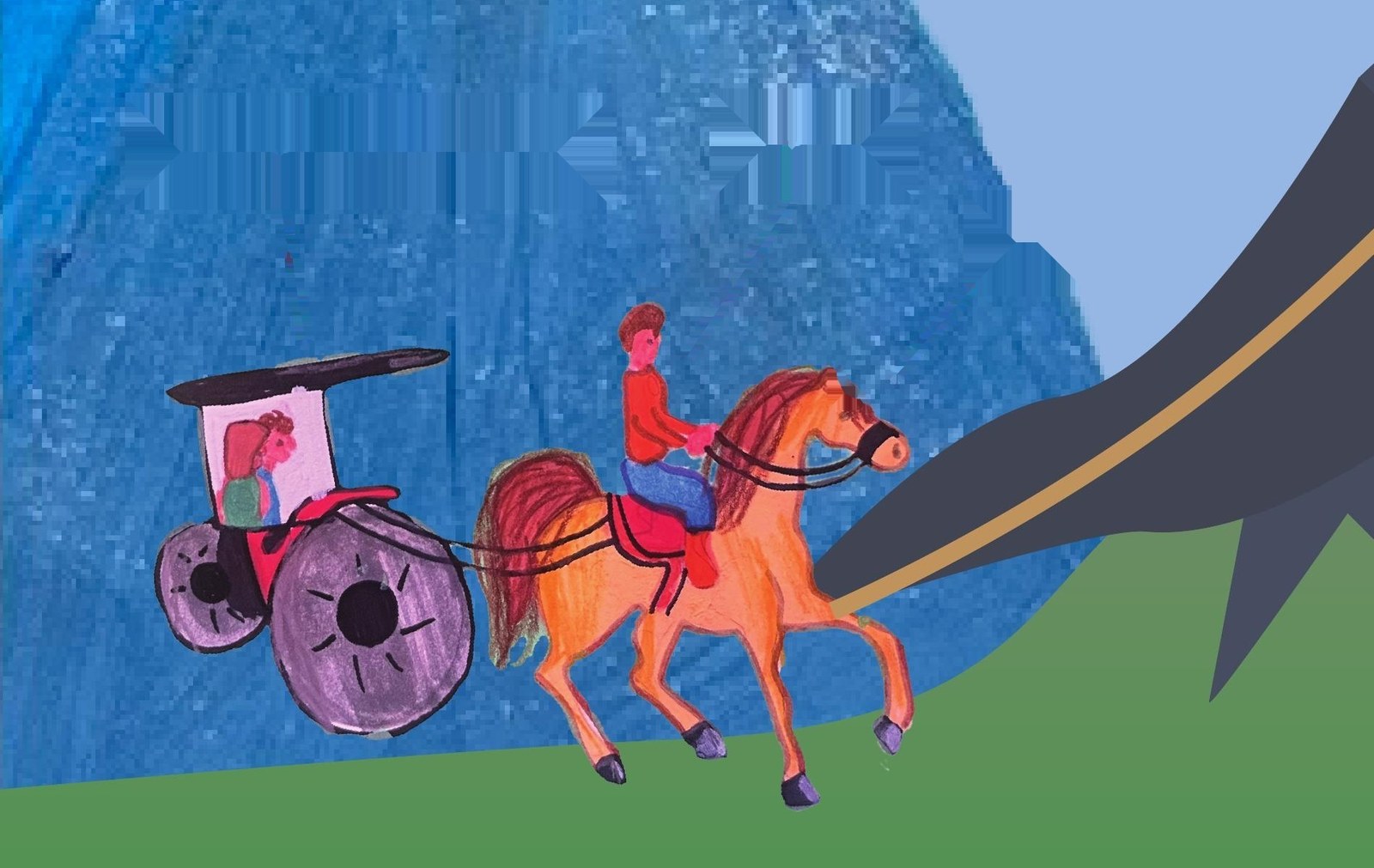
Id
The instinctual drive. It contains your energy, emotion, desire, courage, and power to move.
Ego
The conscious self. It notices reality, makes decisions, chooses direction, and learns how to guide the journey.
Superego
The structure you carry. It contains rules, expectations, responsibilities, values, and the story of the life you inherited.
“The horse supplies the power. The rider provides direction. The chariot carries the rules, responsibilities, and story of the life you inherited.”
The language in your readout
Your readout uses journey language because growth behaves like a journey: there is somewhere you want to go, somewhere you keep returning to, and something you have to face in between. Your 6 sides are who you take with you.
The Wilder Method reframes the classic id, ego, and superego as that same story. The id is the pull toward what you want — your Castle, the desire. The superego is the weight of what you believe you should do: the rules, duties, and judgments you carry. The ego is the traveler trying to hold both — steering the horse, managing the cart, and deciding when to enter the Cave.
Your Castle
Where you want to go.
The goal, relationship, change, or next chapter that matters to you. Your readout points every result back toward it.
Your Barn
Where you keep ending up instead.
The familiar, safe pattern you return to. It is not laziness — it is the place your most-used sides know how to survive.
Your Cave
What you have to face to get there.
The boundary, conversation, decision, or risk you have been avoiding. Caves are where the less-practiced sides get stronger.
A journey needs power, steering, and a load. When one of the three is doing all the work, the trip stalls.
The Horse
Your drive.
Instinct, desire, energy, fear — the raw power that actually moves you. This is what the Instinctual Drive readout measures.
The Rider
Your direction.
The part of you that steers: choosing, weighing, deciding. Mostly your Leader, Mediator, and Conscientious One.
The Cart
What you are carrying.
Your responsibilities, relationships, history, and commitments — the load that makes the journey heavier or lighter.